Picking the Best Asphalt Contractor for Your Paving Project
Determining the ideal asphalt contractor is essential for the fruition of any asphalt initiative. A contractor's qualifications, experience, and credibility can profoundly shape the excellence of performance. Grasping the essential services they present and asking the right questions can illuminate their reliability. However, navigating quotes and identifying danger signals can be challenging. What criteria should one prioritize to promise a favorable outcome?
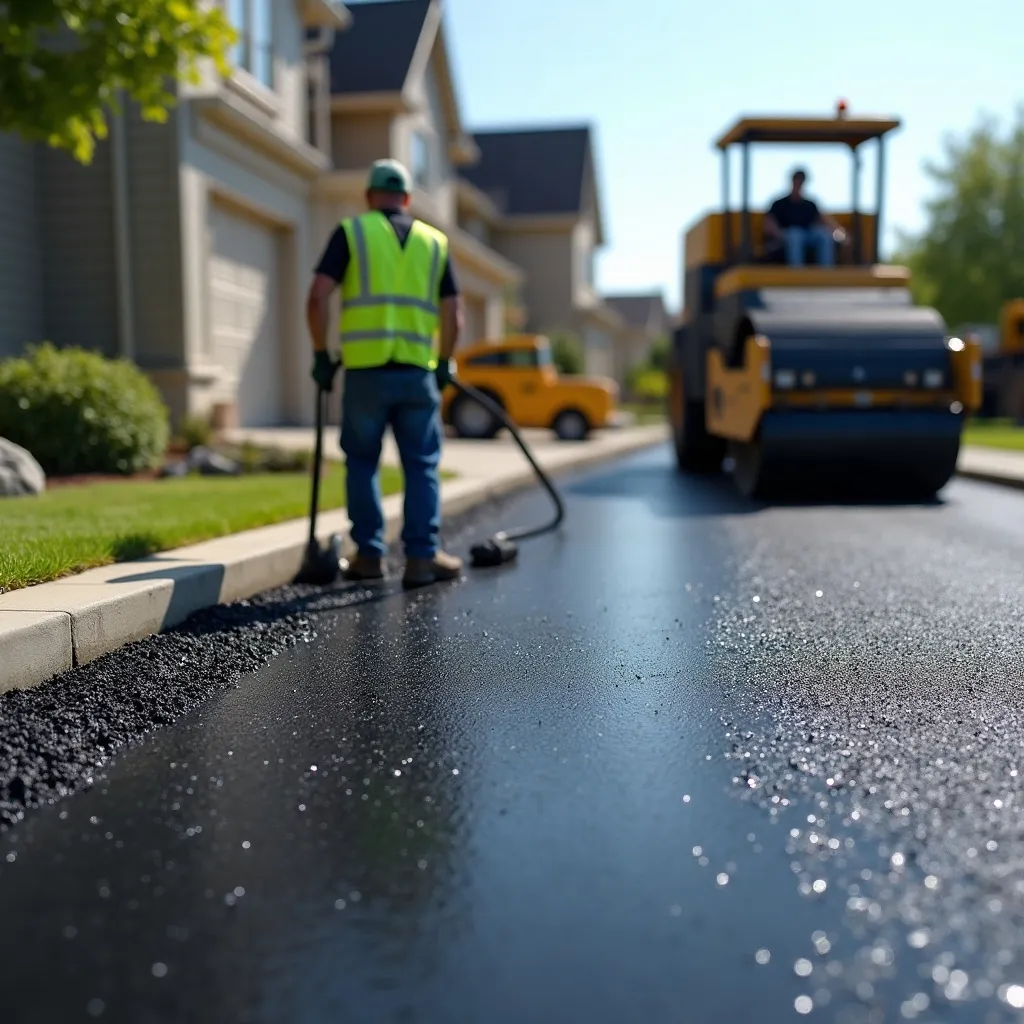
Why Getting the Right Asphalt Contractor Is Crucial
Finding the right paving professional is necessary for advancing the longevity and quality of asphalt work. The selection of contractor can markedly influence the durability and output of the paved surface. A proficient contractor grasps the subtleties of asphalt installation, featuring suitable groundwork, material selection, and application techniques. This skill curtails the risk of untimely deterioration, fissuring, and other setbacks that can stem from inadequate craftsmanship.
Furthermore, a dependable service provider usually complies with industry standards and implements high-quality materials, which contribute to the overall success of the work. Contracting the suitable professional also fosters effective communication, ensuring that the customer's unique demands and expectations are satisfied. Finally, investing time in picking a experienced road construction expert can lead to considerable lasting financial advantages and enhance the visual attractiveness and functionality of the paved area. As a result, this decision is pivotal for any road project's prosperity.
What Expertise Must Your Asphalt Contractor Exhibit?
What basic credentials should an asphalt contractor possess to ensure a successful project? A reputable asphalt contractor should retain the required licenses and permits required by local regulations. These credentials demonstrate compliance with industry standards and local laws. Moreover, financial stability is critical; a contractor must be capable of sustaining operations throughout the project, guaranteeing timely completion.
Familiarity with various paving techniques and experience with different materials are vital, as they significantly impact the standard of results delivered. Knowledge of safety protocols and proper equipment usage is also essential for safeguarding both workers and clients.
Additionally, a comprehensive understanding of project management principles can support in timely scheduling and asset distribution. Finally, strong interaction skills are crucial for addressing client concerns and ensuring that standards are fulfilled. These qualifications jointly contribute the overall prosperity and fulfillment of a paving project.
Evaluating Your Asphalt Service Provider's Experience and Reputation
How might one accurately evaluate an asphalt contractor's qualifications and standing? To begin, prospective clients should review the contractor's project history, which presents earlier work and confirms their technical abilities. In addition, years in business often serve as an indicator stability and expertise in the profession. Digital ratings and client statements from satisfied customers can provide insights on the contractor's consistency and service quality.
Moreover, asking for references can yield direct accounts of customer satisfaction and project outcomes. Working with local trade associations or reviewing certifications can additionally affirm a contractor's professionalism and adherence to industry standards.
To sum up, a solid reputation in your community—demonstrated through returning business and recommendations—can be a clear indicator of a contractor's dependability. Collectively, these elements create a comprehensive overview of an asphalt contractor's background and standing, assisting with making well-informed choices.
Vital Offerings Presented by Asphalt Contractors
A selection of vital offerings are regularly offered by asphalt contractors, serving both home and business needs. These services commonly feature asphalt paving, where contractors lay fresh asphalt for driveways, parking lots, and roads. Additionally, they offer asphalt repair offerings, repairing cracks and potholes to improve durability and safety. Sealcoating is another important offering, protecting asphalt surfaces from weather damage and extending their lifespan.
In addition, vendors may deliver drainage and grading assistance, safeguarding correct water movement and preventing future deterioration. Surface marking is also included, denoting parking spaces and traffic lines for superior organization and well-being. Some asphalt contractors offer support plans, which encompass regular inspections and upkeep to maximize the life expectancy of asphalt surfaces. By understanding these key services, property owners can make informed decisions when engaging an asphalt contractor for their paving endeavors.
Key Inquiries to Ask Your Asphalt Contractor
When appointing an asphalt contractor, it is crucial to solicit specific responses to gauge their expertise and reliability. Delving into their experience and qualifications, as well as understanding the project timeline and costs, can offer valuable insights. These key factors help ensure that the contractor can execute the project's demands effectively.
Experience and Qualifications
Experience and credentials play a key role in selecting an asphalt contractor. Potential clients ought to seek the contractor's industry background, since a solid track record usually demonstrates reliability and expertise. It is recommended to ask for references from previous projects, enabling clients to evaluate the quality of work performed. Moreover, contractors should have appropriate licenses and certifications, demonstrating compliance with industry standards and regulations. It is important for clients to consider any specialized training the contractor has had, especially regarding particular paving methods or materials. Knowing the contractor's experience with comparable projects offers valuable insight into their capability to manage unique challenges. Ultimately, a skilled contractor will enhance the project and promise long-term satisfaction.
Project Schedule and Expenses
Understanding project schedules and pricing is vital for clients selecting an asphalt contractor. Clients should inquire about the projected timeframe of the project, including preparation, paving, and curing times. Contractors should provide a clear schedule, outlining key milestones and potential delays. Clients must also ask for a detailed cost estimate, including materials, labor, and any additional fees. Comprehending payment structures, such as deposits or financing options, is significant for budgeting. It is recommended for clients to compare estimates from multiple contractors to ensure transparency and fairness. Finally, discussing potential weather-related impacts on project timelines can help set realistic expectations, promoting better communication and satisfaction throughout the paving process.
Comparing Quotes and Price Models
Evaluating bids and cost frameworks from various asphalt contractors is essential for choosing wisely. When comparing estimates, it is important to consider not only the overall price but also the detailed list of materials, workforce, and any additional fees. A lower quote may seem appealing, but it could indicate compromises in quality or service.
Contractors often offer different pricing structures; some may charge by square footage, while others might offer flat rates. Understanding these differences can help clients gauge the true worth of each proposal.
Furthermore, customers should inquire about maintenance plans and warranty coverage, which can influence long-term costs. It is advisable to request detailed, written quotes to guarantee openness and enable accurate comparisons. By carefully analyzing these factors, customers can pick a contractor that aligns with their budget and quality expectations, ultimately resulting in a successful paving project.
Red Flags to Watch for When Employing an Asphalt Contractor
How can a person identify potential problems when employing an asphalt contractor? Several red flags can signal trouble ahead. First, a absence of adequate licensing and coverage is a significant warning sign; established contractors should readily supply this documentation. Additionally, if a contractor offers an unusually low estimate, it may indicate inferior materials or poor workmanship.
One further concern emerges when a contractor is reluctant to provide testimonials or a collection of past work, as this may imply a absence of experience or poor previous projects. Furthermore, vague or indefinite contracts can result in misunderstandings and unforeseen costs later on. Ultimately, aggressive sales tactics should spark suspicions; trustworthy contractors will grant clients time to make conclusions. By staying alert and identifying these warning signs, property owners can more effectively safeguard themselves from potential pitfalls in their paving projects.
Frequently Asked Questions
What Timeframe Should I Anticipate for My Paving Project Finishing?
The length of a pavement project generally ranges from a few days to numerous weeks, influenced by considerations like project size, environmental factors, and the contractor's efficiency in coordinating resources and timelines.
What Category of Asphalt Components Do You Suggest?
The contractor recommended selecting high-quality hot mix asphalt for performance and durability. Moreover, they suggested considering porous asphalt for ecological advantages, or cold mix asphalt for temporary repairs, based on the particular project needs and circumstances.
Do We Include Warranties with Your Work?
Established asphalt contractors commonly extend warranties on their work, ensuring quality and durability. These warranties typically protect materials and workmanship, offering clients peace of mind and protection against potential issues arising after the project's completion.
Can you offer testimonials from previous customers?
Yes, reputable construction professionals typically provide references from past clients. This facilitates prospective clients to determine the level of quality and patron contentment, confirming they form an informed decision before commencing their paving project.
What Is the Best Time of Year for Paving?
The best time for paving is typically during warmer months, specifically late spring to early fall. This period visit this page delivers ideal temperature conditions, permitting asphalt to cure properly and reducing the risk of weather-related disruptions.